

It’s been over 50 years since Nixon declared a War on Cancer, predicting to end cancer by 1978. Nixon’s declaration of “war” empowered congress to budget billions of dollars for research.
What have we gotten for the hundreds of billions of dollars and five decades of research?
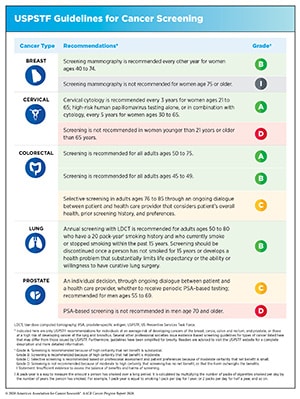
Survival From Lung Cancer, Including the Type That Pope Leo XIV Has, Continues to Improve Thanks to Sustained Cancer Research Progress American Association for Cancer Research (AACR)
Like millions of people, Pope Leo XIV was diagnosed with lung cancer. This disease, though still serious, has also been transformed from one of daunting odds to a surmountable affliction thanks to decades of sustained effort in cancer research. This summary of that progress assesses how far research has come in combatting lung cancer and how much more work there is to do.
The post Survival From Lung Cancer, Including the Type That Pope Leo XIV Has, Continues to Improve Thanks to Sustained Cancer Research Progress appeared first on American Association for Cancer Research (AACR).

Pope Leo XIV’s lung cancer highlights growing number of nonsmokers diagnosed with the disease – and younger people too Health – The Conversation
While lung cancer rates have decreased by 43% in men, they have risen by 79% in women. Broader screening guidelines and recognizing early symptoms can help address the changing face of lung cancer.
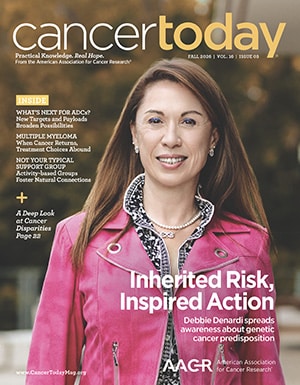
Cancer Today’s Fall 2026 Issue: Activity-based Groups for Survivors, Expanding Treatment Options in Multiple Myeloma, and More American Association for Cancer Research (AACR)
The fall issue of Cancer Today explores treatment advances for people with multiple myeloma whose cancer has returned or stopped responding to treatment, including CAR T-cell therapies and bispecific antibodies. The issue also covers the expanding role of antibody-drug conjugates, a drug that can boost the effectiveness of chemotherapy for platinum-resistant epithelial ovarian cancer, activity-based support groups for cancer survivors, and more.
The post Cancer Today’s Fall 2026 Issue: Activity-based Groups for Survivors, Expanding Treatment Options in Multiple Myeloma, and More appeared first on American Association for Cancer Research (AACR).
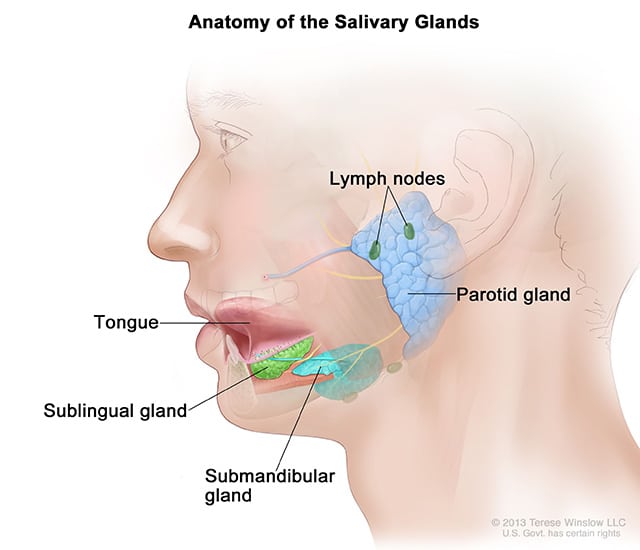
HER2-targeted Therapy for Salivary Gland Cancer American Association for Cancer Research (AACR)
Salivary gland cancer is rare, and there are no standard treatments for advanced-stage disease. Recent research supports the use of HER2-targeted therapy for patients with metastatic or recurrent salivary gland cancer with HER2 overexpression.
The post HER2-targeted Therapy for Salivary Gland Cancer appeared first on American Association for Cancer Research (AACR).

Unboxing Cancer News, September 2026: Sugar and Cancer Risk, Psilocybin’s Chemotherapy Relief, and More American Association for Cancer Research (AACR)
The second installment of Cancer Research Catalyst’s new monthly series, “Unboxing Cancer News,” highlights exciting cancer research discoveries reported during September, including the effects of early-life sugar restriction on cancer risk, the potential of a hallucinogenic compound to prevent chemotherapy-related pain, surgical de-escalation for patients with head and neck cancers, and a genetic risk factor for lung cancer in never-smokers.
The post Unboxing Cancer News, September 2026: Sugar and Cancer Risk, Psilocybin’s Chemotherapy Relief, and More appeared first on American Association for Cancer Research (AACR).
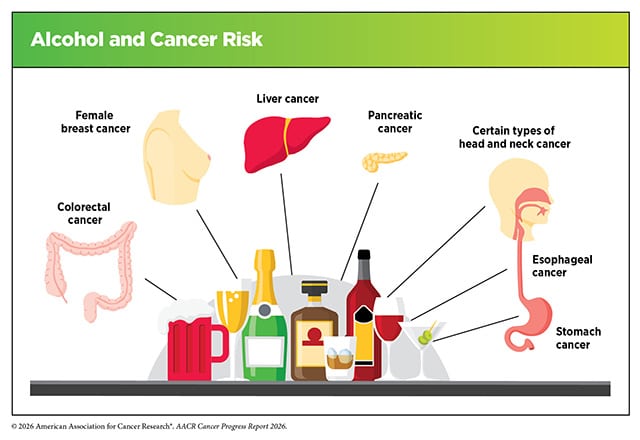
Beyond Hangovers: Binge Drinking and the Risk of Early-onset Breast and Colorectal Cancers American Association for Cancer Research (AACR)
Could higher rates of binge drinking be contributing to an increase in early-onset cancers? Mary Beth Terry, PhD, of Columbia University; Yin Cao, ScD, MPH, of Washington University School of Medicine in St. Louis; and Samantha Rees, PhD, MPH, of the BC Cancer Research Institute, spoke with Cancer Research Catalyst about how binge drinking impacts the body and their research into whether higher rates of binge drinking may be associated with the rise of breast and colorectal cancers in individuals under 50.
The post Beyond Hangovers: Binge Drinking and the Risk of Early-onset Breast and Colorectal Cancers appeared first on American Association for Cancer Research (AACR).
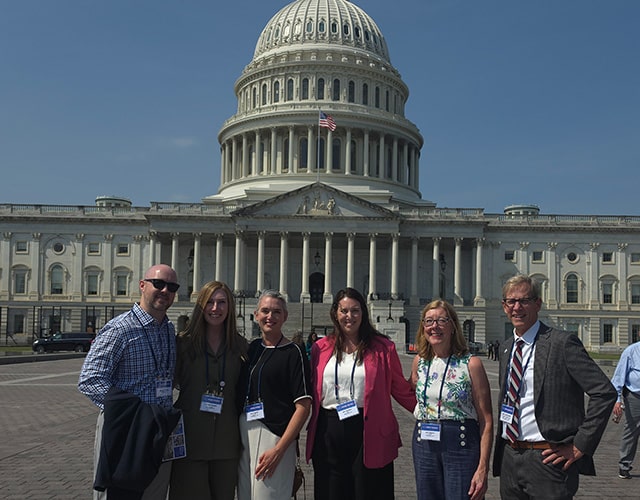
Three Sisters, BRCA1 Mutations, and a Cancer Diagnosis While Pregnant American Association for Cancer Research (AACR)
Carolyn Searles and her sisters all tested positive for a BRCA1 mutation and underwent double mastectomies to reduce their breast cancer risk. Still, Carolyn was diagnosed with breast cancer while 16 weeks pregnant. Last week, they joined a group of Pennsylvania constituents, which included AACR President-Elect Robert H. Vonderheide, MD, DPhil, FAACR, to advocate for NIH funding at the Rally for Medical Research. Learn more about Carolyn’s story and her experience at the Rally.
The post Three Sisters, BRCA1 Mutations, and a Cancer Diagnosis While Pregnant appeared first on American Association for Cancer Research (AACR).
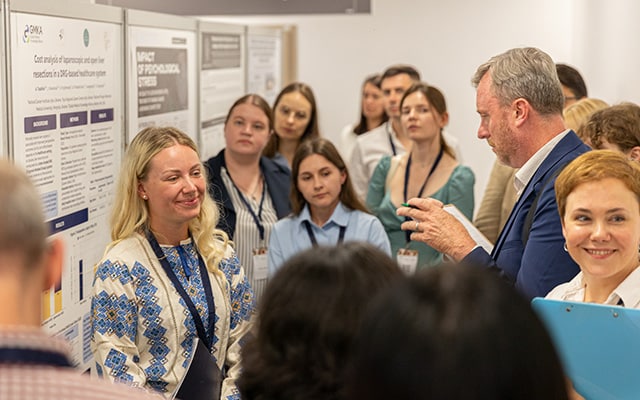
AACR on Campus Poland/Ukraine: Creating New Opportunities for Cancer Care in Ukraine Amid War American Association for Cancer Research (AACR)
Around a hundred early-career clinicians and researchers from Ukraine and Poland attended last month’s AACR on Campus event in Warsaw, held in partnership with the Maria Skłodowska-Curie National Research Institute of Oncology and the Global Medical Knowledge Alliance. At the event, Ukrainian oncologists shared how the war is impacting cancer care in their country and why events like this centered on international collaboration can help.
The post AACR on Campus Poland/Ukraine: Creating New Opportunities for Cancer Care in Ukraine Amid War appeared first on American Association for Cancer Research (AACR).
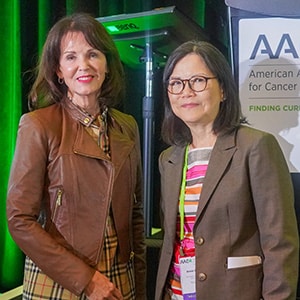
AACR and Kids Beating Cancer Launch New Grant to Advance Pediatric Leukemia Research American Association for Cancer Research (AACR)
AACR and Kids Beating Cancer have announced a new grant to support pediatric leukemia research, with a particular focus on high-risk acute myeloid leukemia subtypes at the AACR Special Conference in Cancer Research: Bridging Discovery and Clinical Impact in Pediatric Cancer. Through this partnership, the organizations aim to advance understanding of these aggressive diseases and accelerate the development of more effective treatments. AACR and Kids Beating Cancer leaders hope the grant will drive innovative discoveries that improve outcomes for children with cancer and their families.
The post AACR and Kids Beating Cancer Launch New Grant to Advance Pediatric Leukemia Research appeared first on American Association for Cancer Research (AACR).

Shining a Light on Uterine Cancer: Rising Incidence and Mortality, Persistent Inequities American Association for Cancer Research (AACR)
In contrast with many cancers, uterine cancer incidence and mortality are on the rise. The disease, which is leading cause of death among gynecologic cancers in the United States, is also associated with deep racial disparities, disproportionately killing Black women. Elizabeth M. Swisher, MD, the 2026-2028 Chair of the AACR Cancer Prevention Working Group (CPWG) steering committee, discussed risk factors, warning signs, and the urgent need for increased public awareness and research funding.
The post Shining a Light on Uterine Cancer: Rising Incidence and Mortality, Persistent Inequities appeared first on American Association for Cancer Research (AACR).